Wedding Dress Alterations: A Calm Fitting Guide
Plan your wedding dress alterations with a practical guide to timing, fittings, costs and what to bring to your appointments.
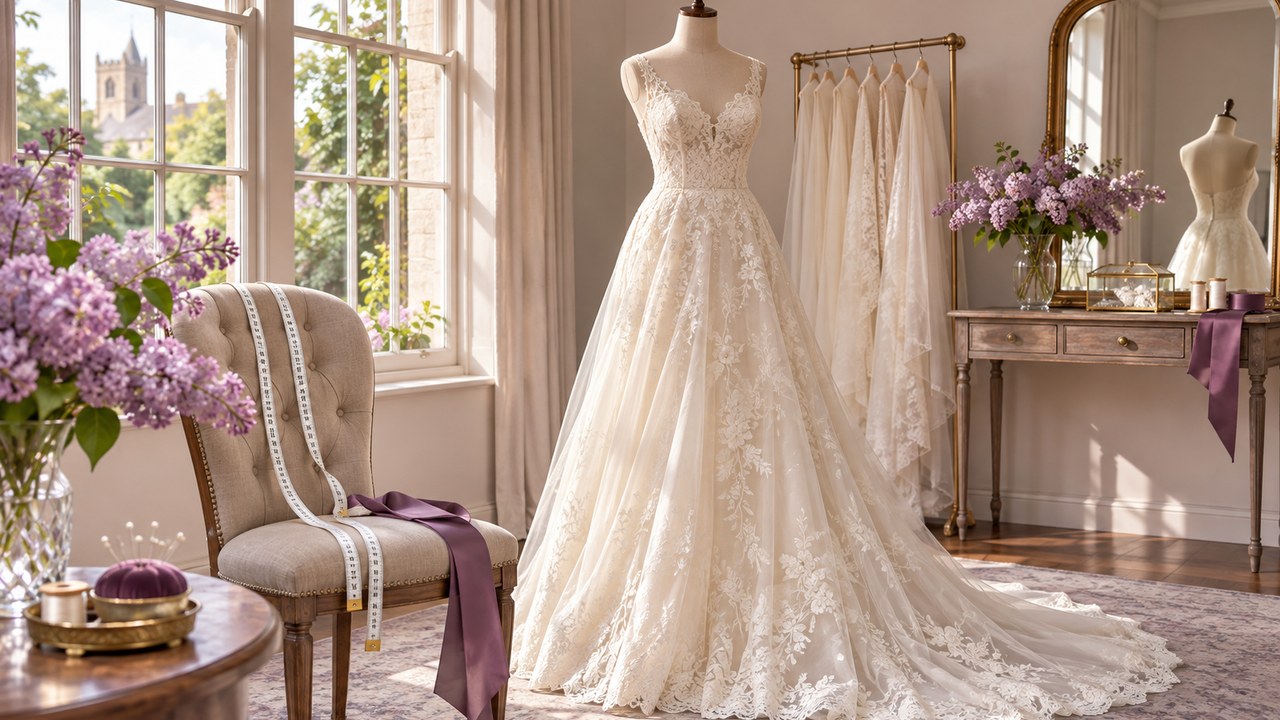
Wedding dress alterations are usually arranged in stages: book a bridal alterations specialist early, agree a fitting schedule for your dress, and bring the shoes and underwear you plan to wear. The right timing depends on the work, the specialist's availability and when you need the dress—not on one universal deadline.
Whether your dress is new, vintage or borrowed, your fitter can help you understand what is possible. You do not have to know the technical terms before your first appointment.
When should wedding dress alterations start?
Contact a specialist as soon as you know your wedding date and expect to have a dress. You can often reserve a place before the dress arrives, but confirm this with the person doing the work. If you are travelling or having photographs before the wedding, tell them the earlier date you need to collect it.
Fitting schedules vary. Bridal alterations specialist Felicity Westmacott describes starting many alterations three to six weeks before the wedding, while advising clients to book well in advance. The Modiste recommends contacting its team early and may start fittings around two to three months before the day. These are two providers' approaches, not guarantees for every dress.
A layered hem, delicate lace, beading or a redesign may take more planning than a small adjustment. Ask your own fitter how much notice and how many appointments they expect to need.
What happens at the first fitting?
Your fitter will usually ask how you want the dress to feel and look, then assess where changes might help. They may pin the hem, straps or bodice and discuss the work and estimated cost. Explain what matters to you: being able to sit comfortably, move your arms, dance, use the loo or walk outside without worrying about the skirt.
You can ask the fitter to explain each proposed change before agreeing. If a dress feels uncomfortable, say where and when: “It digs in when I sit” gives them more to work with than “It doesn't feel right”. Bring photographs of any design changes you are considering and ask what is realistic for the fabric and available time.
Pins show an intended adjustment, not a finished result. Before leaving, agree which changes are included, the next appointment and whether any extra materials need to be ordered.
Bring these to your fitting
- Your intended wedding shoes, or shoes with the same heel height if your final pair is unavailable. Tell the fitter if you plan to change into flats.
- The underwear and support you intend to wear, including a bra or shapewear if you choose them.
- Any accessories that affect the fit, such as a belt, detachable sleeves or an overskirt.
- Your collection date and travel plans, including any journey before the ceremony.
- Your questions and budget, so you can agree priorities before work begins.
Love & Loved Bridal Boutique asks clients to bring their intended shoes and underwear because changes can affect the hem or fit. If you are undecided, speak with your fitter before buying anything; you deserve to choose what feels comfortable for you.
Which alterations might a dress need?
Every dress and body is different. Common adjustments can include shortening the hem, adjusting straps or sleeves, and taking in or letting out seams where the construction allows. A bustle is a way of securing a train for easier movement later in the day.
Not all changes are possible on every garment. The amount of seam allowance, structure, lace, beading and fabric available can affect the options. Ask the specialist to show you what they propose and explain how a change may affect the original design.
If the dress belongs to someone else or has sentimental value, discuss which changes can be reversed before work starts. For a second-hand dress, ask about cleaning or repairs before alterations and who should arrange them.
How many fittings will I need?
Two fittings may be enough for some dresses; more may be needed for complex work or further adjustments. Felicity Westmacott describes two as usual in her own practice, with a third sometimes needed. Your fitter should give you a schedule based on your dress and their process.
At a later fitting, try the dress with the planned shoes and underwear again. Sit, walk, turn and raise your arms. Check the hem from different angles and tell the fitter if anything pulls, slips or feels uncomfortable. If there is a bustle, ask someone who will help you on the day to learn how it fastens, if the fitter permits.
Bodies can change, and that is normal. Tell your fitter promptly if your fit changes or if you are concerned. Ask what options and timing are available rather than feeling pressured to change yourself to suit the dress.
How much should we budget?
Prices depend on the work, location and dress construction. Ask whether your boutique's dress price includes alterations; some use an independent specialist with a separate charge. Request a written estimate that lists the work, fittings, deposit, payment dates and any possible extras such as materials, pressing or rush fees.
For context, Love & Loved describes an approximate £350–£400 average for its alterations service, with individual costs varying. This is one boutique's guidance, not a UK-wide price or a quote for your dress. A simple hem and a major redesign may be priced very differently.
Keep alterations in the wider clothing budget rather than treating them as an afterthought. Our wedding budget tips can help you plan the total alongside shoes and accessories.
What should I check before taking the dress home?
Try on the completed dress if your fitter offers a final check. Make sure you understand any fastenings, bustle or detachable pieces, and ask for a demonstration if someone will help you dress. Confirm the balance, collection date and whether pressing is included.
Ask how to carry and store the garment safely for its particular fabric and construction. If you are travelling, tell the fitter how and when; they may suggest an appropriate garment bag or packing method. Keep their contact details and allow time for any agreed final adjustments.
A simple alterations checklist
Contact a specialist early, tell them your need-by date, and confirm their availability and quote. Bring your intended shoes and underwear, describe the fit you want, and keep notes of agreed work. At each fitting, move as you will on the day and speak up about comfort.
The goal is a dress that works for you and the day you have planned.
For more calm planning ideas, join the Plan The Do waiting list.