Wedding Hair and Makeup: A Calm Planning Guide
Plan wedding hair and makeup with a practical guide to booking an artist, preparing for a trial and timing your morning.
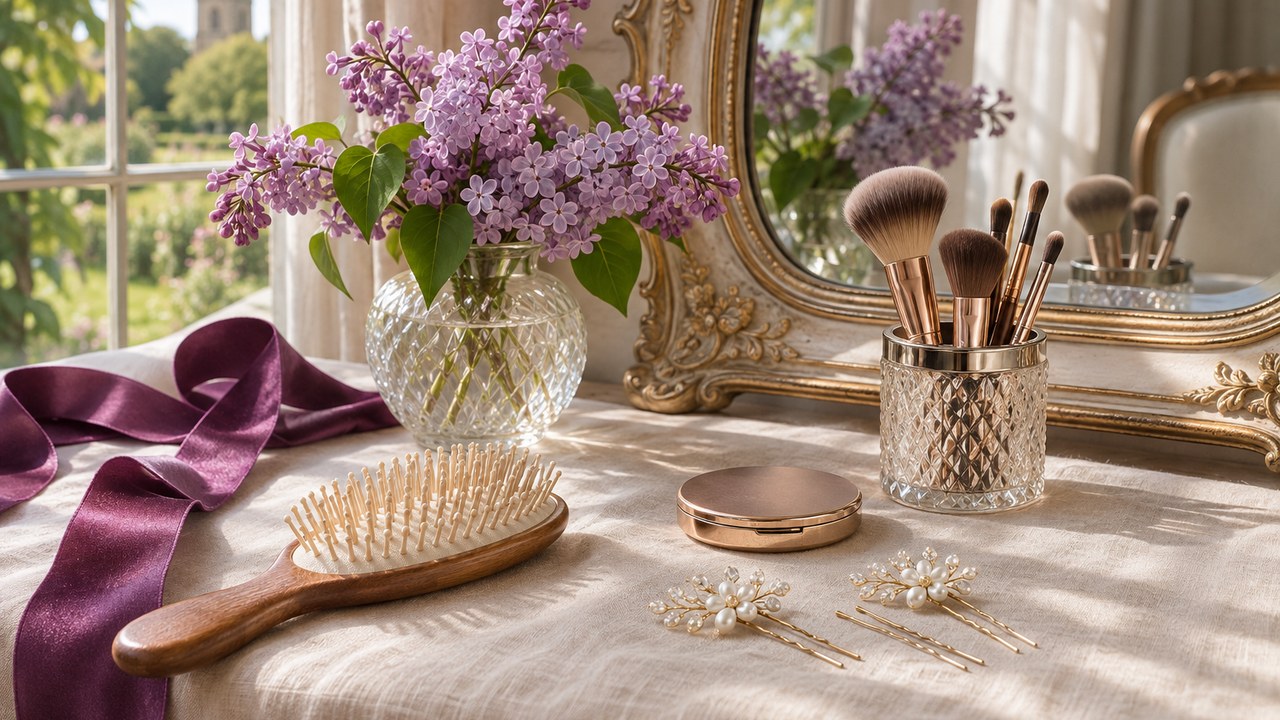
Wedding hair and makeup planning starts with three decisions: the style you feel comfortable wearing, the people who want a service, and the time everyone needs to be ready. Ask artists for availability and a complete quote early, then use a trial to agree the look and a realistic plan for the day.
You can choose professional hair, makeup, both or neither. The aim is to feel like yourself and enjoy the morning, not to meet someone else's idea of how a bride should look.
When should you book wedding hair and makeup?
Once you have your date, getting-ready location and an approximate number of services, start asking artists about availability. Tell them the time you need to leave, any travel between locations and whether they will be working with a separate hairstylist or makeup artist.
Booking the wedding date and having a trial are not necessarily the same thing. Artists use different processes: some hold the date before a trial, while others may offer a trial first. Ask what the deposit reserves and what happens if you decide not to continue after the trial.
Trial timing varies too. Jillian Elizabeth suggests around two to three months before the wedding for her clients, while & Other Artists suggests three to six months. These are individual providers' approaches, not universal deadlines. Ask your chosen artist what suits your date, hair plans and availability.
How to choose the right artist
Look for examples on people with a range of skin tones, hair textures, lengths and ages relevant to the people in your party. If someone wears a head covering, extensions or a protective style, ask about the artist's experience and what preparation they need. A short, honest conversation is more useful than assuming a photo tells you everything.
Save a few pictures that show what you like and explain the detail: perhaps soft eye makeup, skin that still looks like skin, or hair kept away from your face. It is equally helpful to say what you do not want. Include a photograph of yourself on a day you felt comfortable if that helps explain your usual style.
Ask who will actually attend on the day and what happens if they are unwell. Check travel, parking, early-start charges and whether an additional artist might be needed. If someone else is paying for a member of the wedding party, agree the arrangement with them privately rather than making assumptions.
What happens at a hair and makeup trial?
A trial is an opportunity to discuss your ideas, try a look and make changes. Your artist may take photographs and notes so they can recreate the agreed result. Ask how much time is allocated, how many looks can be explored and whether a second appointment would cost extra.
The Bridal By team's FAQ describes a consultation, styling and product notes as part of its trial process. Different artists work differently, so confirm what yours includes.
Speak up during the appointment. You might say, “I like the shape, but could we make it softer around my face?” or “I feel more comfortable with less coverage.” A good trial gives both of you useful information, even if you decide to change direction.
What to bring and discuss
- A few inspiration images, plus a photo of your outfit or neckline if you have one.
- Your veil, hair accessories, extensions or earrings, if available.
- Details of allergies, sensitivities or previous product reactions, shared privately before the appointment.
- The finish and level of makeup you normally enjoy, including anything you would rather avoid.
- Your ceremony time, getting-ready location and the number of people interested in services.
Ask the artist how they want you to prepare your hair and skin; instructions vary by artist and hair type. If you have a known allergy or a reaction, discuss it with the artist and seek appropriate professional advice rather than assuming a product or test is safe for you.
Wear the look for a while afterwards if you can. Notice how it feels, moves and wears, and take photographs in different light. Send any feedback while the appointment is fresh in your mind.
Build a wedding-morning timeline backwards
Start with the time you must be ready to leave or begin photographs, then allow time for getting dressed, breakfast, any registrar conversation, travel and a little breathing space. Ask the artist how long each actual service will take and whether services can happen in parallel.
For example, if you need to leave at 1pm and would like an hour for dressing, photographs and final checks, your hair and makeup would need to finish by noon. The artist can then calculate the start time from the agreed services. This is an illustration, not a standard schedule: travel, ceremony requirements and the size of the party will change it.
Share the finished plan with your photographer, venue and anyone getting ready with you. Our wedding day timeline example can help you fit the morning into the rest of the day.
If the proposed start feels too early, ask whether fewer services, a different order or an additional artist would help. Get any extra charge in writing before changing the booking. A trial can take longer than the wedding-day application because it includes discussion and experimentation; ask your own artist for their timings.
What should the quote include?
Request a written breakdown for:
- The trial and the wedding-day hair and/or makeup service.
- Each additional person's service and whether a minimum booking applies.
- Travel, parking, accommodation or early-start fees if relevant.
- Any extra artist, extensions, lashes or follow-up trial.
- Deposit, balance date, cancellation terms and what happens if numbers change.
These details let you compare quotes on the same basis. A lower headline price may not include the trial or travel. Add the agreed total to your wider plan using our wedding budget tips.
Make the getting-ready space work
Ask the artist what they need: a clear surface, a chair, good light and power may all matter. Agree where suppliers can park and when the room is accessible. If you are getting ready at a hotel or venue, check its rules about access and any additional people.
Give each person their appointment time and a contact for changes. Plan water, food and somewhere comfortable to sit, especially if the day begins early. Ask your artist what touch-up items, if any, they recommend keeping with you, and who will help with a veil or accessory later.
A week-before checklist
Confirm the names and number of services, address, arrival time, payment and final schedule. Check that your artist has the approved reference notes and knows about any changes or sensitivities. Put accessories together, share the schedule with the people involved and leave space for the morning to feel like yours.
For more calm planning ideas, join the Plan The Do waiting list.