Wedding Plus-One Etiquette: Who to Invite and What to Say
A calm guide to deciding who gets a wedding plus-one, inviting named partners, and explaining your guest-list choices kindly—with wording you can adapt.
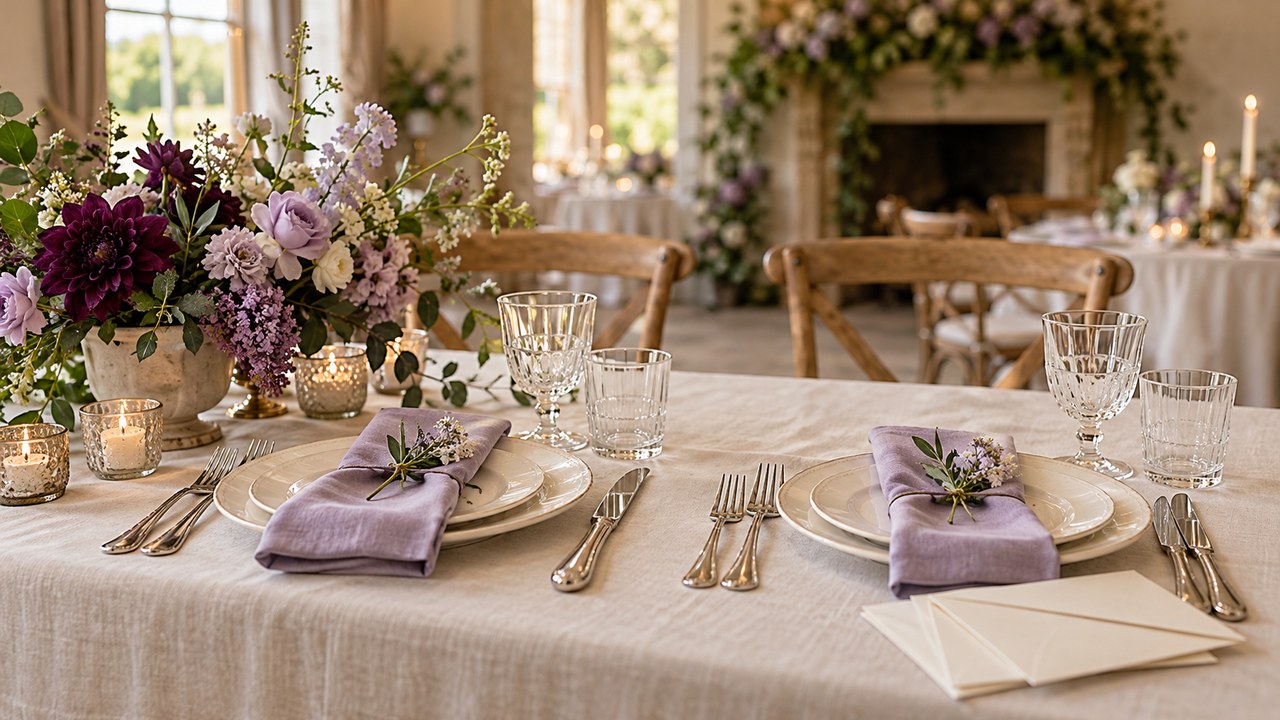
You do not need to offer every wedding guest an open plus-one. A considerate starting point is to invite established partners by name, then decide where an additional companion would make attending more comfortable. Agree your approach together before sending invitations, and be clear about exactly who is invited to each part of the day.
If the guest list is making you feel guilty, pause before answering the next request. You are balancing people you care about with a real room, a real budget and a day you both want to enjoy. You can be warm without promising a place you cannot offer.
First, separate a named partner from an open plus-one
These are two different decisions:
- Named partner: you are inviting a particular person alongside your friend or relative.
- Open plus-one: your guest may choose a companion, whose name you will collect before the wedding.
Emily Post's reception invitation guidance recommends including the partner of a guest in a committed relationship and offering single wedding-party members a companion. This is an American etiquette source, rather than a UK requirement, but it is a useful courtesy to consider.
For a UK perspective, Debrett's guidance on invitations and plus-ones explains that naming one person does not automatically invite someone else, and suggests a personal note when numbers are restricted.
Our recommendation is to make your decisions around relationships, circumstances and capacity. Avoid making a marriage certificate, shared address or how often you have met someone the only test of whether their relationship matters.
A manageable way to decide who gets a plus-one
Use this as a conversation framework, not a scorecard for your friends.
1. Set the number of places you can actually offer
Check the agreed layout and catering arrangements with your venue before promising extra seats. Separate your ceremony, wedding breakfast and evening numbers if the guest lists differ.
Count people, not envelopes. Two couples and two single friends are six people; offering both single friends a companion makes eight. Write down the cost of the additional places using your own supplier quote, rather than an online average.
2. Include established partners in your first count
Make your initial list with the partners you already intend to invite included. Otherwise they can accidentally become the people you try to squeeze in after the room is full.
If you do not know someone's partner's name, ask privately. You do not need a history of their relationship or a reason to approve it.
3. Consider the experience of attending alone
Think about a friend travelling a long way, someone who will know nobody else, or a wedding-party member whose responsibilities mean they cannot easily spend the whole day with their usual group.
An open plus-one can be a thoughtful choice here. If you cannot offer one, consider what else would help: introducing guests beforehand, arranging a friendly table or checking that someone has a comfortable arrival plan.
Discuss access and support arrangements separately and privately. Do not assume that a person accompanying someone for support is simply an optional date, and do not ask for sensitive details in a group conversation.
4. Check comparable situations together
Before finalising the list, each of you should look for decisions that feel inconsistent. Are two friends in similar circumstances being treated differently only because one asked first?
Consistency does not mean ignoring individual needs. It means being able to explain your general approach without ranking friendships publicly. Keep any personal reasons for exceptions between you and the person concerned.
Invitation wording that makes the answer clear
For a named couple, use both names: Alex Morgan and Sam Patel.
For an open companion place, use Alex Morgan and guest, then ask for the guest's name with the reply.
For one invited person, use Alex Morgan. If confusion is likely, add a friendly private note or a clear details card rather than relying on someone to decode the envelope.
Example wording for a details card or wedding website:
We're so looking forward to celebrating with you. Please RSVP for the people named on your invitation. If your invitation includes a guest, please include their name when you reply.
Match the reply options to the invitation. If you are collecting responses manually, check the names against your list rather than accepting an unexplained headcount.
An evening invitation needs the same clarity. Say who is invited and when they should arrive; do not imply that a partner can join the ceremony or meal if their invitation is evening-only. Consider the practical impact before splitting a couple's attendance, particularly if they are travelling together.
Kind replies when someone asks for another place
These are suggested scripts to adapt to your circumstances, not quotations from etiquette guides. Use a reason that is true.
When you cannot add a guest
I'm really glad you can come. We aren't able to add another place, so the invitation is just for you. I understand if coming on your own makes it difficult.
Avoid saying the venue is full if it is not. A simple explanation that you are keeping the guest list small is enough when that is the actual reason.
When a relationship has changed
Thanks for letting us know. We haven't finalised the numbers yet, so we'll look at whether we can include Sam and come back to you.
Only promise to check if there is genuinely a decision still to make. If the answer is already no, a clear response is kinder than leaving someone waiting.
When an RSVP includes an uninvited person
Thanks for replying. I noticed two names on your RSVP, but we only have one place reserved for your invitation. I'm sorry for the confusion. Can you confirm whether you'll still be able to join us?
Contact the invited guest directly. Keep the exchange private, and allow them to decline without treating it as a test of loyalty.
Questions couples often ask
Can a plus-one be a friend rather than a romantic partner?
If you are offering a freely chosen companion, say so. If you are inviting a specific partner, name them instead. Guests should check before substituting someone for a named invitee.
Should plus-ones be on save-the-dates?
Decide what you can confidently offer before sending them. Avoid wording that suggests two people are invited if you are only reserving one place. Follow through clearly on the formal invitation. For the wider sequence, see our UK wedding invitation timeline.
Can we add a companion after someone declines?
Possibly, but confirm the revised count and any supplier deadlines first. A declined place does not automatically make every part of the day available. Give the newly invited person enough information and notice to decide comfortably.
Your next step: agree one short approach
Set aside twenty minutes together. Write down who you will invite by name, where you can offer open companion places, and which decisions still need a private conversation. Then check the numbers for each event before sending anything.
You do not need a perfect rule that anticipates every relationship. You need a considered approach, clear invitations and room for a kind conversation.
For a calmer way to approach the rest of your planning, join the Plan the Do waiting list. In the meantime, keep your agreed guest decisions in one shared list so neither of you has to remember every conversation.