Wedding Seating Plan: A Calm Guide to Who Sits Where
Create a wedding seating plan that puts guests at ease, handles family dynamics and makes late changes simpler.
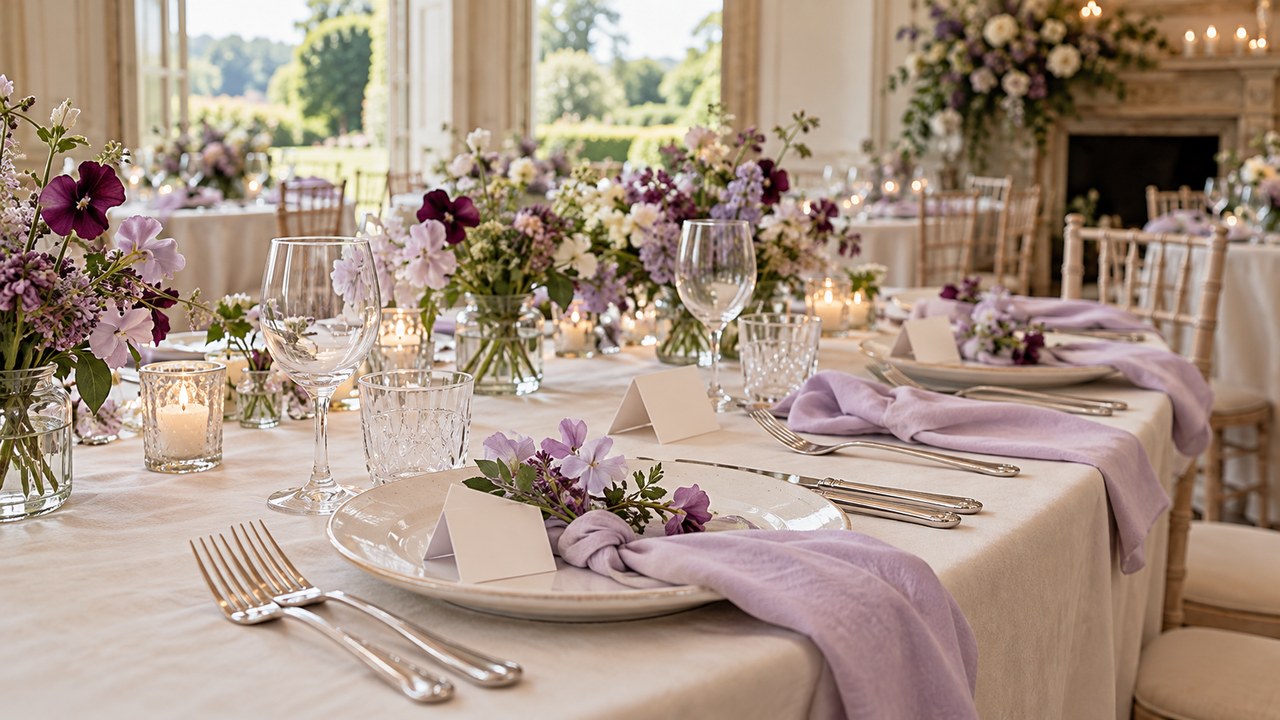
A wedding seating plan can feel like a puzzle with too many pieces. Start with the people who have confirmed, ask your venue how many seats fit comfortably at each table, and place guests with particular access needs first. Then build tables around people who will feel at ease together. You do not need to make everyone best friends by pudding.
This guide focuses on the practical decisions behind the plan: who sits where, how to handle sensitive relationships, and what to do when someone changes their RSVP.
Start with the right guest list
Use the list for the meal you are planning, rather than everyone invited to the day. Separate confirmed guests from those still to reply, and include children, named partners and any suppliers the venue has agreed to feed. Your final count should match the count you give your caterer.
If replies are still arriving, begin grouping people provisionally rather than ordering printed signage. Our guide to when to send wedding invitations can help you plan the RSVP stage.
Ask the venue for its deadline for final numbers, meal choices and the seating plan. Those may be different dates. The Honourable Artillery Company’s wedding planning guide recommends addressing last-minute changes and sharing the final plan with the venue.
Check the room before assigning seats
Request the actual room layout for your meal, including table sizes, the position of doors and the space needed for staff to serve. Ask the venue how many guests each table can seat comfortably, not just its absolute maximum.
Make a simple working list:
- Table name or number and comfortable capacity.
- Confirmed guests at each table.
- Spaces still available and any outstanding replies.
- Access or dietary information to pass privately to the venue.
You can use a sheet of paper, movable notes or a spreadsheet. Pick whatever makes it easy for both of you to see the same version. Keep any sensitive personal information separate from a public seating chart.
Make comfort and access part of the first draft
Ask guests about their needs rather than making assumptions based on age or appearance. Someone may need step-free access, space for a wheelchair or assistance dog, a quieter location, or a clear view for speeches. Check the proposed position and route with the guest and venue.
Consider noise from speakers, room to move between tables and proximity to toilets. A guest may prefer to be near the dance floor rather than away from it. Wedding planner Sense of Moment’s seating advice also suggests asking older guests about their preferences rather than deciding for them.
Share dietary details securely with the caterer and agree how waiting staff will identify the right guest. The public board does not need to display medical or dietary information.
Decide where you want to sit
There is no need to copy a traditional top table if it does not suit your family. You might sit together at a small table, with your wedding party, or among family and close friends. First ask yourselves who will help you feel relaxed during the meal.
If parents are separated, or family relationships are complicated, you can host more than one family table. A short, private conversation ahead of time is kinder than revealing a surprise on the day. Try: “We’re arranging the room so everyone has a comfortable meal. We’d love you to sit with these people.”
Traditions vary. For a religious ceremony, ask your officiant about any local customs or reserved seats rather than assuming the reception layout applies to the ceremony too.
Group guests by comfort, not labels
Begin with the people who already know one another, then look for gentle connections across groups. Perhaps two guests share a hobby, speak the same language, or have met before. A friendly introduction can help, but nobody needs to be appointed the official entertainer.
Try not to isolate one guest among a group of established couples or close friends. If you are mixing groups, make sure each person has at least one comfortable connection where possible. Keep people with a known conflict apart, and consider sightlines as well as table numbers.
For children, ask parents or carers what would work. Some families may prefer to sit together; older children might enjoy sitting near friends. Check high-chair arrangements with the venue.
Choose tables or individual seats
A table plan assigns each guest a table, while place cards can assign an individual seat. The Bridebook guide to seating plans explains this distinction.
Table-only assignments give guests flexibility. Individual places can help with accessibility, delicate relationships or catering. Ask the venue what its service team needs before deciding; you can use individual cards only where helpful.
Display the final plan where guests can find it without blocking the entrance. An alphabetical list can be easier to scan than a long list divided by table. Choose clear lettering and have someone available to help guests find their place.
Handle late changes without starting again
Keep one master version with a date and a named owner. If someone cannot attend, update the guest list, table count, caterer’s information and signage together. Tell the venue contact which version replaces the previous one.
If a guest has not replied by your agreed deadline, contact them directly before making a final decision. Do not promise a spare place unless the venue confirms there is room and a meal available. For a new guest, check access and dietary needs before assigning a seat.
Your final five-minute check
Before sending the plan, count every person once and compare the total with the confirmed meal count. Check that no table exceeds the venue’s comfortable capacity, that access routes are clear, and that the caterer has the information it needs. Then give the venue and a trusted helper the same final version.
A thoughtful plan is not about getting every conversation exactly right. It is about making it easy for your guests to settle in while you enjoy the people you invited.
For a calmer way to keep the next wedding decision in view, join the Plan the Do waiting list.