Wedding Transport Ideas for Guests: A Practical Guide
Choose guest transport with a practical guide to coaches, minibuses, taxis, accessibility and clear timings.
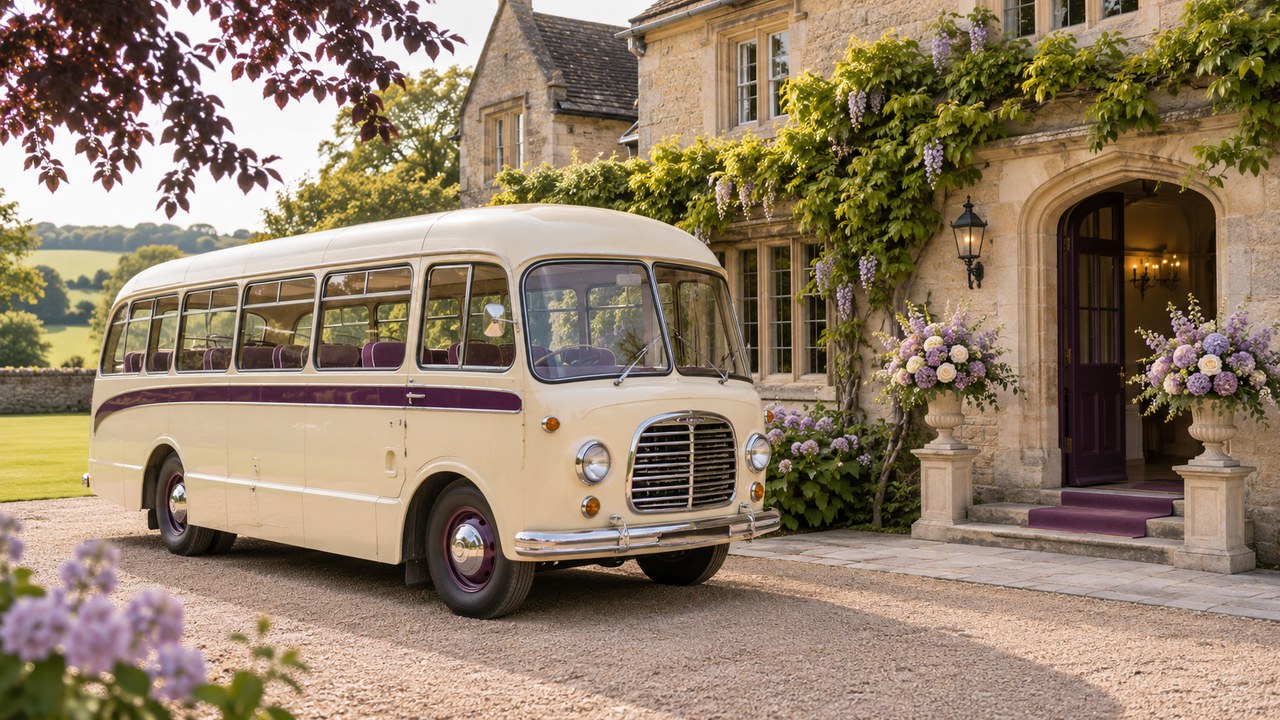
You do not have to provide transport for every wedding guest. Start by mapping the journeys people need to make, then decide where a shared coach, minibus, taxis or clear travel information would make the biggest difference. Ask guests about access needs before booking, agree a realistic timetable and make the return journey part of the plan.
Start with the journeys, not the vehicle
Write down where people are staying, where the ceremony and reception take place and when each group needs to arrive or leave. A venue with a station nearby and plenty of taxis calls for a different plan from a rural location with limited late-night services.
Make a simple list of journeys: accommodation to ceremony, ceremony to reception if they are separate, and the return at the end of the evening. Include the wedding party and anyone bringing equipment. Note who is travelling independently and where you are still waiting for an answer.
You might decide to provide one shared journey between venues, offer a return coach from a remote reception, or simply give guests reliable information to make their own arrangements. Explain clearly which journeys you are arranging and which guests will need to organise themselves.
Wedding transport ideas for guests
A coach for a larger group
A coach can bring many people together from a hotel or central meeting point. It can be helpful when the ceremony and reception are apart or the venue is difficult to reach independently. Ask the operator about seats, luggage space, access, vehicle size and the route into each venue.
One large vehicle means everyone depends on the same departure time. Consider whether guests who wish to leave early will need a separate arrangement. Check with the venue that a coach can turn, stop safely and pick up close enough to the entrance.
Minibuses or smaller shuttles
A minibus may suit a smaller group or a route that a large coach cannot comfortably access. Several trips can work, but only if there is enough time for each full circuit, boarding and a buffer. Parkers' group transport guide suggests giving a hire company the date, passenger count, locations and duration, and sharing pick-up details with guests.
Ask whether a driver is included. If considering self-drive, check the hire company's driver eligibility, insurance and conditions before asking anyone to take responsibility. A friend who wants to enjoy the reception may prefer not to drive late at night.
Pre-booked taxis or shared cars
Taxis can be useful for a small group, an early departure or a missed coach. Ask local operators about availability, advance booking, accessible vehicles and the likely cost of the actual route. Agree whether guests pay the driver or you are covering the fare.
Lift-sharing can help where guests are comfortable arranging it together, but avoid assuming that everyone drives, has spare seats or can stay until the same time. Ask permission before sharing contact details.
Independent travel with good information
If guests will make their own way, give them the venue address, nearest practical transport links, parking details and local taxi contacts. Check current services close to the wedding rather than relying on a timetable found months earlier. Let people know if the venue is remote or mobile reception is unreliable.
Work out seats and timings
Ask guests whether they need a seat for each leg, not just whether they are attending. Someone may take the coach to the venue but leave early by taxi. Include children who need their own seat and ask the operator about suitable child restraints. Confirm mobility equipment and luggage requirements privately with the people concerned.
For example, if 42 guests request a coach from a hotel to the venue, a 40-seat vehicle is not enough for one trip. Ask for a larger suitable vehicle, arrange an additional vehicle or plan two journeys only if the operator confirms they fit the timetable. Do not count an empty-looking seat as available until you know the vehicle's actual passenger capacity.
Work backwards from the time guests need to be seated. Allow for boarding, traffic and a comfortable arrival margin. Confirm estimated journey times with the operator and venue, including stops. Our 2pm wedding day timeline can help you fit those journeys around the rest of the day.
Make accessibility part of the booking
Ask guests what would make the journey comfortable, rather than making assumptions about their needs. Someone may need step-free boarding, a secure wheelchair space, room for a folded mobility aid or a seat near the front. Explain the actual vehicle and boarding arrangements so they can decide whether they work for them.
Confirm the details directly with the operator, including whether an accessible vehicle is available for the return trip. Check the route between the stopping point and the venue entrance, especially in poor weather. Keep personal information limited to what the supplier needs, with the guest's agreement.
Compare quotes and confirm the details
Give each supplier the same itinerary: date, passenger numbers, pick-ups, destinations, desired arrival and departure times, and any accessibility requirements. Request a written quote and check:
- Whether a driver, waiting time, extra stops and return journey are included.
- Vehicle capacity and the space for bags, buggies or mobility equipment.
- Access restrictions, parking, tolls or other route-related charges.
- Deposit, final payment date, cancellation and change terms.
- What happens if the vehicle breaks down or the timetable changes.
- A contact number for the driver or operator on the day.
Costs vary with the itinerary. Travel Force's planning guide notes that route, distance, duration and stops can affect its quotes. Ask each supplier to confirm its own inclusions rather than treating a guide price as a final price. Add the full amount to your wedding budget.
Tell guests exactly what to expect
Once booked, share a short message with the people using each service. For example:
“Transport from the hotel to the ceremony leaves from the main entrance at 1.15pm. Please be there by 1.05pm. The return coach leaves the reception at 11.30pm. If either journey no longer works for you, please let us know by the RSVP date.”
Replace those example times with your agreed itinerary and include the venue address and a named contact. Give the coordinator a passenger count, the supplier's number and a list of any agreed practical arrangements; avoid circulating sensitive information.
Ask one trusted person to liaise with the driver and venue so you are not dealing with calls during the ceremony. Agree a backup, such as a local taxi number, for a missed departure. Reconfirm the itinerary with the supplier shortly before the wedding and tell guests about any changes promptly.
A thoughtful transport plan does not have to be elaborate. A clear answer about how to arrive and get home can make the whole day feel easier for everyone.
For more calm planning ideas, join the Plan The Do waiting list.