Wedding Videographer: What to Ask Before You Book
Compare wedding videographers with practical questions about coverage, sound, film delivery, permissions, privacy and the full cost.
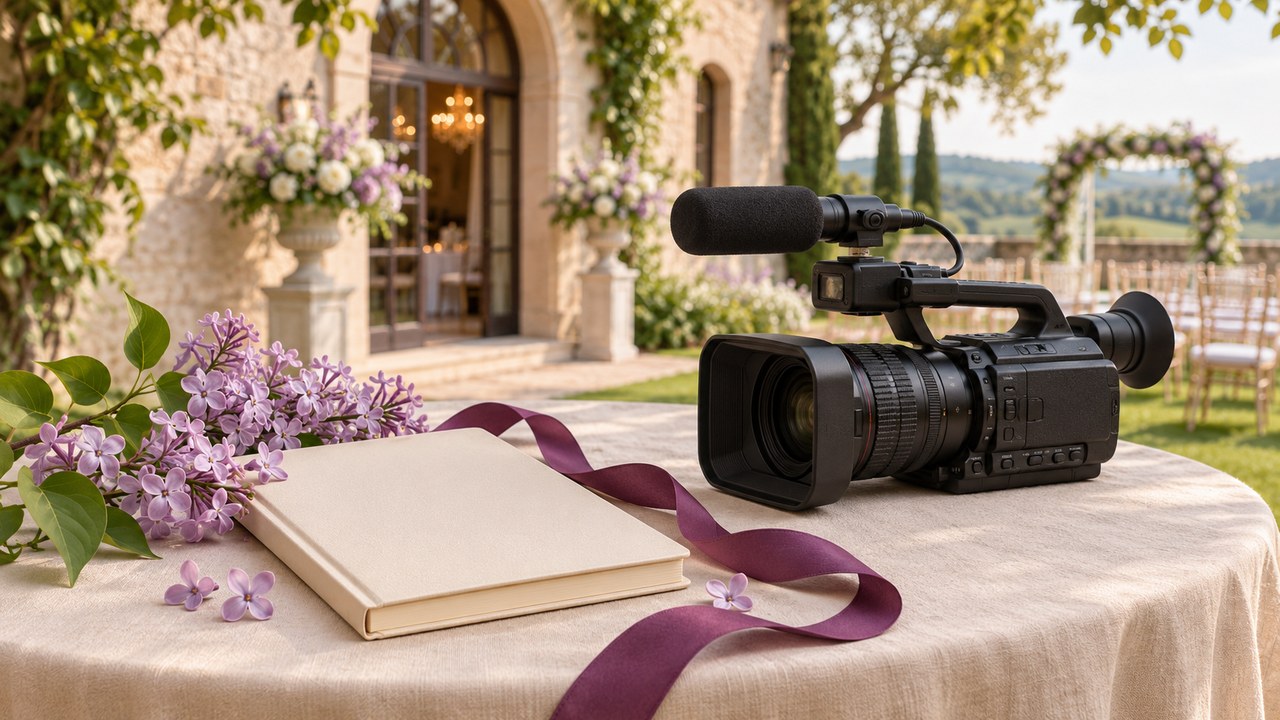
Choosing a wedding videographer starts with the moments you want to hear and see again. Watch a complete film, check who will be there on the day, then compare what each quote includes: coverage hours, sound, finished films, delivery and permissions.
You do not have to book a film because someone else did. If it matters to you, a few clear questions before paying can help you find a filmmaker and a package that fit your day and your budget.
Decide what you want the film to preserve
Start by talking about what you would be disappointed to miss. Perhaps it is hearing your vows, a relative’s speech, the atmosphere during the meal or the energy on the dance floor. You may prefer a short film that tells the story of the day, or longer recordings of particular moments.
Write down two or three priorities and the approximate times they will happen. This gives each videographer the same brief and helps you compare proposals. A beautiful short highlight film and a complete ceremony recording are different deliverables: ask whether you can have one, both or neither.
Consider how comfortable you feel being filmed. Tell potential suppliers if you prefer a quiet, observational approach, are happy to take direction or have moments you would rather keep private.
Watch full films and listen carefully
A short social clip can show the look of a filmmaker’s work. A complete delivered film also lets you hear how voices sound, see how a story develops and understand how much of the day appears. DS Media Moments, a wedding videographer, suggests asking to see complete films and checking who will actually film your wedding.
If examples are available, watch more than one and consider settings similar to yours, such as an indoor ceremony or a winter reception. Ask which parts were included in the couple’s package and whether the person whose work you are watching will be filming your day.
Notice whether you like the pace, colour, sound and editing. There is no single right style: the important thing is that you know what you are choosing. Some filmmakers cannot share private films publicly, so ask what they can show you with the couple’s permission.
Compare coverage, not just the price
Two quotes with the same total can cover quite different things. Ask each supplier for a written breakdown of:
- Start and finish times, including travel between locations.
- The number of filmmakers and who will attend.
- Whether the ceremony, speeches and first dance are covered.
- The length and number of edited films, including any short social clips.
- Whether longer ceremony or speech recordings are included.
- Travel, accommodation, overtime and other additional charges.
- Delivery format, expected timing and how long downloads remain available.
- Deposit, balance, cancellation and postponement terms.
Use the same guest count, locations and approximate schedule when requesting quotes. Check whether the supplier’s hours include setup and breaks, and what happens if the day runs late. A lower quote may be a good fit if it covers your priorities; there is no need to buy a longer package merely because it exists.
Keep the total beside your wedding budget. If you are also booking a photographer, compare the two services separately as well as any combined proposal. Our guide to comparing photographer quotes covers the still-photography decisions.
Ask how voices will be recorded
Moving pictures are only part of a film. If hearing vows, readings or speeches matters to you, ask how the videographer intends to capture them and what backup they use. The answer will depend on the venue and the people speaking.
Check where microphones or cameras may be placed and whether anyone needs to wear equipment. Tell the supplier if a reader, musician or guest is uncomfortable with this. Ask how they handle a speech delivered away from the expected microphone and what happens if the venue restricts equipment.
A filmmaker cannot promise that every word will be audible in every situation, but they should be able to explain their plan and any limitations before you agree the package.
Confirm venue and music permissions
Ask your ceremony venue and reception venue whether filming is permitted, where cameras may stand and whether lighting, microphones or drones need separate approval. Share the answers with your filmmaker; do not assume a venue that welcomes photographs has identical rules for video.
For a Church of England ceremony, the Church of England’s filming guidance advises discussing recording with the vicar in advance. Music and performances can raise copyright or other permissions, and some churches may restrict filming. The Royal School of Church Music also notes that extra musician fees or copyright arrangements may apply, depending on the circumstances.
Ask the venue, musicians and filmmaker who will arrange and pay for any permissions. If you want to share a film online, say so early and ask what the music licence permits. Do not assume that a favourite commercial song can be used simply because it played on the day. Rules and permissions vary, so get advice for your actual ceremony and intended use.
Understand what you will receive
Ask for the film lengths, format and delivery method in writing. Will the ceremony and speeches be delivered in full, as edited sequences or only as moments in a highlight? Are subtitles or vertical clips available if you need them? What happens if you spot a factual error, such as a misspelled name?
Raw footage is another separate question. It may mean many unedited files rather than a polished, continuous film. Ask whether it is available, what it contains, whether sound is already synchronised, the price and the delivery format. It is fine to decide you do not need it.
Also ask how long the supplier retains files and when your download link expires. Once the film arrives, save copies in more than one place so your family can find it later.
Talk about privacy and working with your photographer
Tell your videographer about people or moments you do not want included, and discuss whether the supplier may publish clips in their portfolio or on social media. Ask for the agreed boundaries in the contract. Consider giving guests clear information about filming and a way to raise concerns privately, especially where children are involved.
Introduce your photographer and videographer before the day. Share the schedule and any venue restrictions with both. Ask how they will coordinate camera positions and important moments so they can work together without repeatedly interrupting you.
A short list of important people and moments can help. Rather than requesting every possible shot, identify the things that matter most and share any sensitive family circumstances discreetly.
Check the practical plan before signing
A useful final conversation includes the less exciting details:
- What happens if the named filmmaker is ill or equipment fails?
- Is backup equipment available, and what can and cannot be guaranteed?
- How will the team handle rain, low light or a change of room?
- Are there insurance or venue requirements to confirm?
- When is the balance due, and what are the cancellation terms?
- What is the expected delivery window and how will progress be communicated?
- Who handles music permissions and any venue or musician charges?
Read the agreement and ask for unclear points to be explained before paying. Keep the final schedule, supplier contact details and any permissions together. If you change timings later, tell the filmmaker promptly and confirm any effect on coverage or cost.
The right wedding videographer is someone whose work you enjoy, whose approach makes you feel at ease and whose written package covers the moments you value. A thoughtful conversation now gives you more room to enjoy the day itself.
For more calm planning ideas, join the Plan The Do waiting list.