Simple Wedding Table Decoration Ideas That Work
Create simple wedding table decorations with practical ideas for centrepieces, space, quantities and setup.
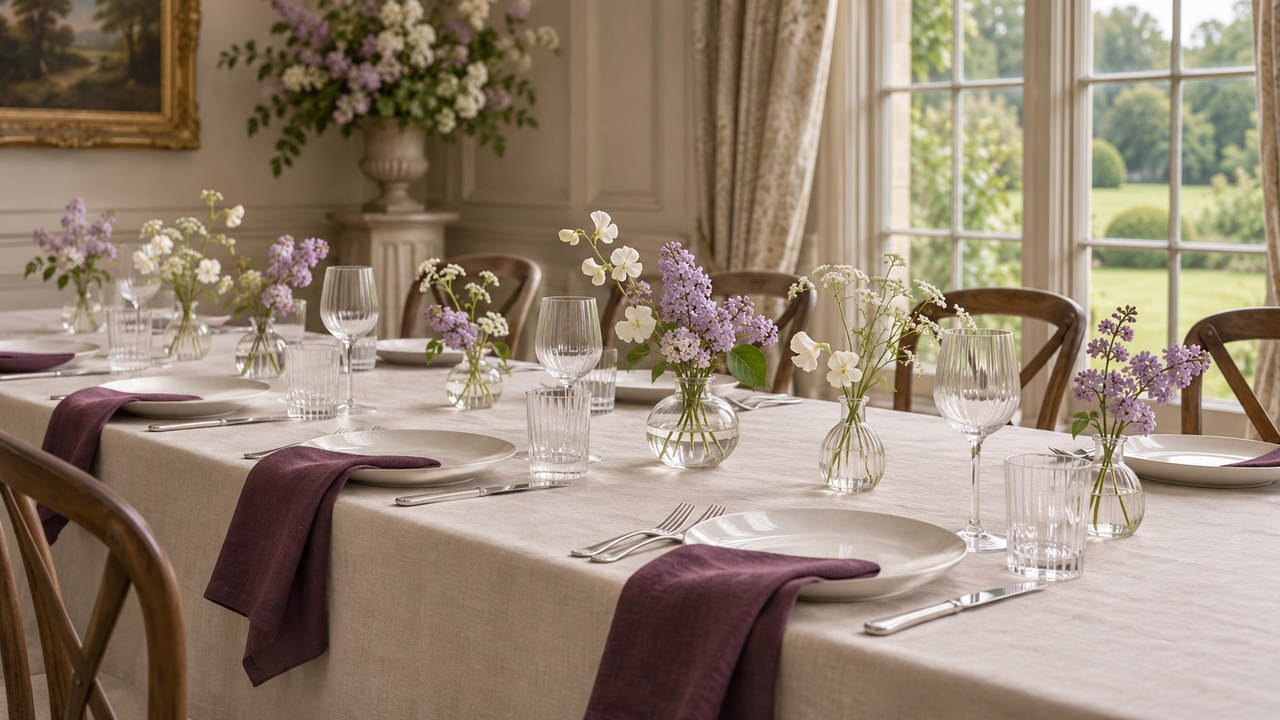
Simple wedding table decorations can be as effective as an elaborate display. Start with what your venue provides, choose one focal point and repeat a small detail across the room. Before buying anything, check the table sizes, space needed for food and drinks, and the venue's rules on candles and setup.
You do not need a different decoration at every place setting. A few considered pieces can leave guests with room to eat, talk and enjoy the celebration.
Start with the tables you actually have
Ask the venue for the number, shape and measurements of your tables, along with a list of included linen, crockery, glassware and napkins. Check how many guests will sit at each table and whether the meal will be plated or served on sharing dishes.
A round table may suit one central grouping. A long table can use a repeating line of smaller pieces, with breaks wherever the caterer needs space. The Wedding House's table styling guide explains how its approach changes between round and long tables and recommends checking the venue's candle policy.
Before ordering, confirm who sets tables, when suppliers can enter, and who clears or collects hired pieces. A lovely arrangement still needs a realistic plan for getting it into the room and removing it afterwards.
Six simple wedding table decoration ideas
1. Small vases with a few stems
Group a few small vases rather than relying on one large arrangement. Ask your florist which flowers or foliage will work for your date and how the stems will be kept in water. Bottles or jars can work too, provided they are clean, stable and suitable for the table.
Keep the arrangement low enough to see over, or discuss a stable tall design with clear sightlines underneath. Sit at the table during your trial to check the view from different seats.
2. A single focal arrangement
One modest arrangement in the middle of a round table can give the room a consistent look without filling every spare space. Use the same style on each table, or ask your florist about a simple mix of related arrangements.
Tell the florist about the table diameter, number of guests and serving style. A wide design can crowd plates even if it looks small in a photograph.
3. Colour through napkins
If your venue already includes napkins, ask what colours are available. A coloured napkin against neutral linen can repeat your palette at each seat without adding another object. You might add a simple fold or a place card, but both are optional.
If you want to hire a different colour, compare the full hire, delivery and collection cost with what is already included.
4. A readable menu or table number
Stationery can be useful and decorative at the same time. A clear table number helps guests find their seats; a shared menu can add colour without requiring a separate card for everyone. Check with your caterer that menu details and dietary information are correct before printing.
Make names large enough to read in the room's lighting and choose a holder that will not easily topple. Our seating plan guide can help with the decisions behind the place cards.
5. Soft light without an open flame
Battery-powered candles or small approved lights can add a warm glow where real flames are not permitted. Check how they are switched on, whether batteries are included and who is responsible for setting and collecting them.
If you prefer real candles, ask the venue for its written rules first. Some venues require enclosed flames or do not allow them. Follow the venue's instructions and keep any flame well away from paper, fabric and flowers; never assume a particular holder makes it acceptable.
6. A non-floral centrepiece
Books, a small potted plant or a meaningful object can make a table feel personal. Choose items that are stable, easy to move and comfortable for guests to sit around. If using plants, ask the venue whether pots need protective trays and confirm who takes them home.
You can repeat one type of object across the room or choose a common colour to bring varied items together. There is no need to add flowers if they are not important to you.
Test one table before committing
A complete sample is more useful than judging each item separately. Ask the venue whether you can see its place settings or use measurements to recreate the layout at home. Include plates, cutlery, glasses, water, table number and any sharing dishes, then add your proposed decorations.
Sit down and check:
- Can guests see and talk to people opposite?
- Is there space for serving dishes, bottles and staff to place food?
- Are table names and menus easy to read?
- Are pieces stable and within the venue's rules?
- Can a guest move a chair or reach the table comfortably?
First Day of Forever's practical guide similarly recommends a full sample table and checking the caterer's space needs. If the result feels busy, remove an item before ordering more.
Work out quantities and the full cost
Count the guest tables after discussing your layout with the venue. For an illustration, eight round tables with three small vases each need 24 vases; if you also want two for a separate table, the working total is 26. This is an example, not a rule about how many vases a table needs.
List what you will buy, hire or borrow, then include delivery, setup, collection and any return conditions. Ask how damaged or missing hire items are handled. If your guest count or table layout is not final, check when the supplier needs final quantities and whether the quote can change.
Decide who will move any ceremony flowers to the reception. Confirm it with the florist and venue rather than assuming someone will be free to do it. Our wedding flowers budget guide has more questions to help you compare floral options.
A simple setup brief
Give the person styling the room one clear photograph or sketch of the approved sample, plus a list of items per table. Label boxes by destination and include the table plan and any supplier contact details. Agree where spare items go, who checks the finished room and when everything must be cleared.
The aim is a table that looks like your celebration and works for the people sitting at it. Once the practical details are settled, you can enjoy the effect without adding another long task to your wedding morning.
For more calm planning ideas, join the Plan The Do waiting list.